
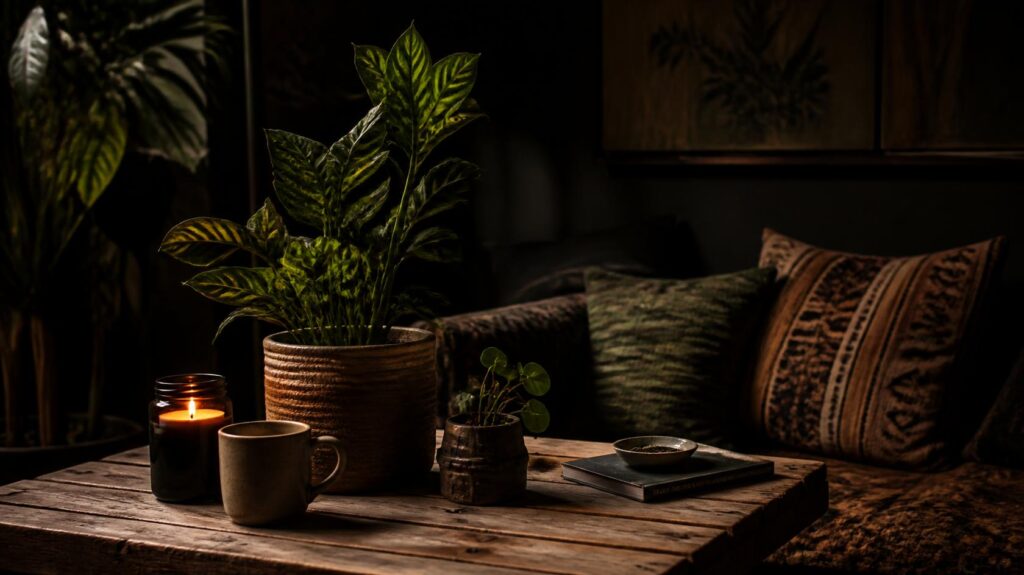
Having a dim apartment, north-facing windows, or a windowless home office doesn’t mean you have to give up on building your own lush indoor oasis. If you’re searching for the best low-light indoor plants, you’re in the right place. While it’s true that all plants need light to survive, not every houseplant demands a sun-drenched windowsill. In fact, many resilient species naturally grow under dense rainforest canopies, making them uniquely equipped to thrive in the shadowed corners of modern homes.
If you’ve struggled to keep greenery alive in lower-light spaces, the secret comes down to choosing the right species and adjusting your care routine. Here is your definitive guide to the best low-light indoor plants, along with the exact care strategies needed to keep them vibrant year-round.
What Does “Low Light” Actually Mean for Houseplants?
Before picking a plant, it helps to understand what “low light” means in an indoor setting.
-
Low Light: Spots located 6 to 10 feet away from an east or west window, directly inside a north-facing window, or interior rooms receiving indirect light from adjacent sources or fluorescent office bulbs.
-
Medium Indirect Light: Bright, filtered light where objects cast a soft shadow, usually a few feet away from a south or west window.
-
No Light: A room without windows or natural day exposure.
💡 Important Note: No living plant can survive long-term in complete darkness. If a room has zero natural light, pair your plant with an energy-efficient full-spectrum LED grow light on a 10–12 hour timer.
Signs Your Plant Isn’t Getting Enough Light
If your plant is struggling, look for these key visual cues:
-
Leggy Growth: Stems become thin, stretched, and sparse as the plant reaches toward the nearest light source.
-
Loss of Variegation: Patterned or multicoloured leaves (like gold or white patches) fade to solid dark green as the plant produces extra chlorophyll to compensate for low light.
-
Stagnant Soil: The soil remains damp for weeks after watering because the plant’s metabolic process has slowed dramatically.
Top 12 Resilient Low-Light Indoor Plants
1. ZZ Plant (Zamioculcas zamiifolia)
-
Ideal Light: Low to bright indirect light; excels under office fluorescent lights.
-
Watering: Every 3 to 4 weeks (allow soil to dry out completely).
-
Why It Works: Featuring glossy, deep green leaves attached to thick stems, the ZZ plant stores water in underground bulb-like rhizomes. It tolerates deep shade and extended drought without dropping leaves, making it virtually indestructible.
2. Snake Plant (Sansevieria / Dracaena trifasciata)
-
Ideal Light: Low light to full sun.
-
Watering: Every 2 to 4 weeks; err on the side of underwatering.
-
Why It Works: With architectural, sword-like leaves, the Snake Plant is famous as a low-light indoor plant. It processes light efficiently and tolerates structural neglect better than almost any other houseplant on the market.
3. Pothos (Epipremnum aureum)
-
Ideal Light: Low to medium indirect light.
-
Watering: Water when the top 2 inches of soil feel dry to the touch.
-
Why It Works: Known as “Devil’s Ivy” because it is notoriously difficult to kill, Pothos produces long, cascading vines with heart-shaped leaves. It is ideal for high shelves, hanging planters, or trailing down bookcases.
4. Cast Iron Plant (Aspidistra elatior)
-
Ideal Light: Deep shade to low indirect light.
-
Watering: Moderate; allow the top half of the soil mix to dry between waterings.
-
Why It Works: True to its name, the Cast Iron Plant earned its reputation in Victorian-era homes by surviving extreme dust, temperature swings, and dim conditions. Its broad, leathery green leaves bring a timeless look to dark hallway corners.
5. Heartleaf Philodendron (Philodendron hederaceum)
-
Ideal Light: Low to medium indirect light.
-
Watering: Allow the top inch of soil to dry out.
-
Why It Works: Very similar in appearance and growth habit to Pothos, the Heartleaf Philodendron features soft, spade-shaped leaves and long trailing stems. It adapts quickly to low-light environments and propagates easily in water.
6. Parlor Palm (Chamaedorea elegans)
-
Ideal Light: Medium shade to low indirect light.
-
Watering: Keep soil consistently, lightly moist, but never soggy.
-
Why It Works: Most palm trees require intense, direct sunlight, but the Parlor Palm thrives in filtered shade. Its delicate, feathery fronds bring a tropical aesthetic to dim living rooms without burning under bright rays.
7. Peace Lily (Spathiphyllum)
-
Ideal Light: Low to medium indirect light.
-
Watering: Water when the top layer of soil dries, or when foliage begins to droop slightly.
-
Why It Works: Peace Lilies produce rich, dark leaves and striking white blooms (spathes). They communicate their water needs clearly by wilting slightly when thirsty and bouncing back within hours of receiving a drink.
more low-light indoor plants featured here
8. Chinese Evergreen (Aglaonema)
-
Ideal Light: Low to medium indirect light (dark green varieties tolerate lower light best).
-
Watering: Allow the top 2 inches of soil to dry before watering.
-
Why It Works: If you want patterned foliage in a dim room, Aglaonema is an exceptional choice. Varieties with dark green leaves striped in silver or pink hold their color well in lower-light conditions.
9. Spider Plant (Chlorophytum comosum)
-
Ideal Light: Low to bright indirect light.
-
Watering: Water when the top inch of soil is dry.
-
Why It Works: Featuring arching, ribbon-like leaves, the Spider Plant produces miniature plantlets (“spiderettes”) on long stems even when grown under modest light conditions. It’s a classic, fast-growing option for hanging pots.
10. Prayer Plant (Maranta leuconeura)
-
Ideal Light: Low to medium indirect light; keep out of direct sun.
-
Watering: Keep soil evenly moist using room-temperature water.
-
Why It Works: Famous for folding its leaves together at night as if in prayer, this plant naturally grows on shaded rainforest floors. Direct sunlight will scorch its intricate, vein-patterned leaves, making low, ambient light ideal.
11. Boston Fern (Nephrolepis exaltata)
-
Ideal Light: Low to medium indirect light.
-
Watering: Keep soil consistently damp; requires ambient humidity.
-
Why It Works: With lush, feathery fronds, the Boston Fern is built for high-humidity, lower-light spaces like bathrooms with small or frosted windows.
12. English Ivy (Hedera helix)
-
Ideal Light: Low to medium light.
-
Watering: Let the surface soil dry out between waterings.
-
Why It Works: English Ivy is a classic trailing or climbing plant that handles cooler temperatures and lower light levels well, making it a reliable option for dark entryways, basements, or trailing off mantels.
3 Critical Care Rules for Low Light Houseplants
Growing plants in dim conditions requires a slight tweak to your standard routine:
-
Reduce Your Water Frequency: Light powers photosynthesis, which drives a plant’s water consumption. In lower light, plants grow more slowly and use significantly less water. Always check soil moisture with your finger or a meter before adding water—overwatering is the #1 cause of root rot in low-light plants.
-
Use Well-Draining Soil Mixes: Because soil stays wet longer in low light, standard potting soil can easily become waterlogged. Mix in perlite or coarse orchid bark to ensure excess water drains out quickly.
-
Clean the Leaves Regularly: Dust blocks light absorption. Dust your plant’s leaves once a month with a soft, damp cloth so it can capture every bit of available light efficiently.
Frequently Asked Questions
Can indoor plants survive in a room with no windows?
No natural plant can survive permanently without a light source. In a windowless room, install a full-spectrum LED grow light set on a timer for 10 to 12 hours a day to mimic natural daylight.
How often should you water houseplants in low light?
Generally, low-light plants need water every 2 to 4 weeks depending on the species and ambient humidity. Always check that the top several inches of soil are dry rather than watering on a fixed calendar schedule.
Do low-light indoor plants grow more slowly?
Yes. Lower light levels slow photosynthesis, resulting in slower growth compared to plants in bright, indirect light.
