
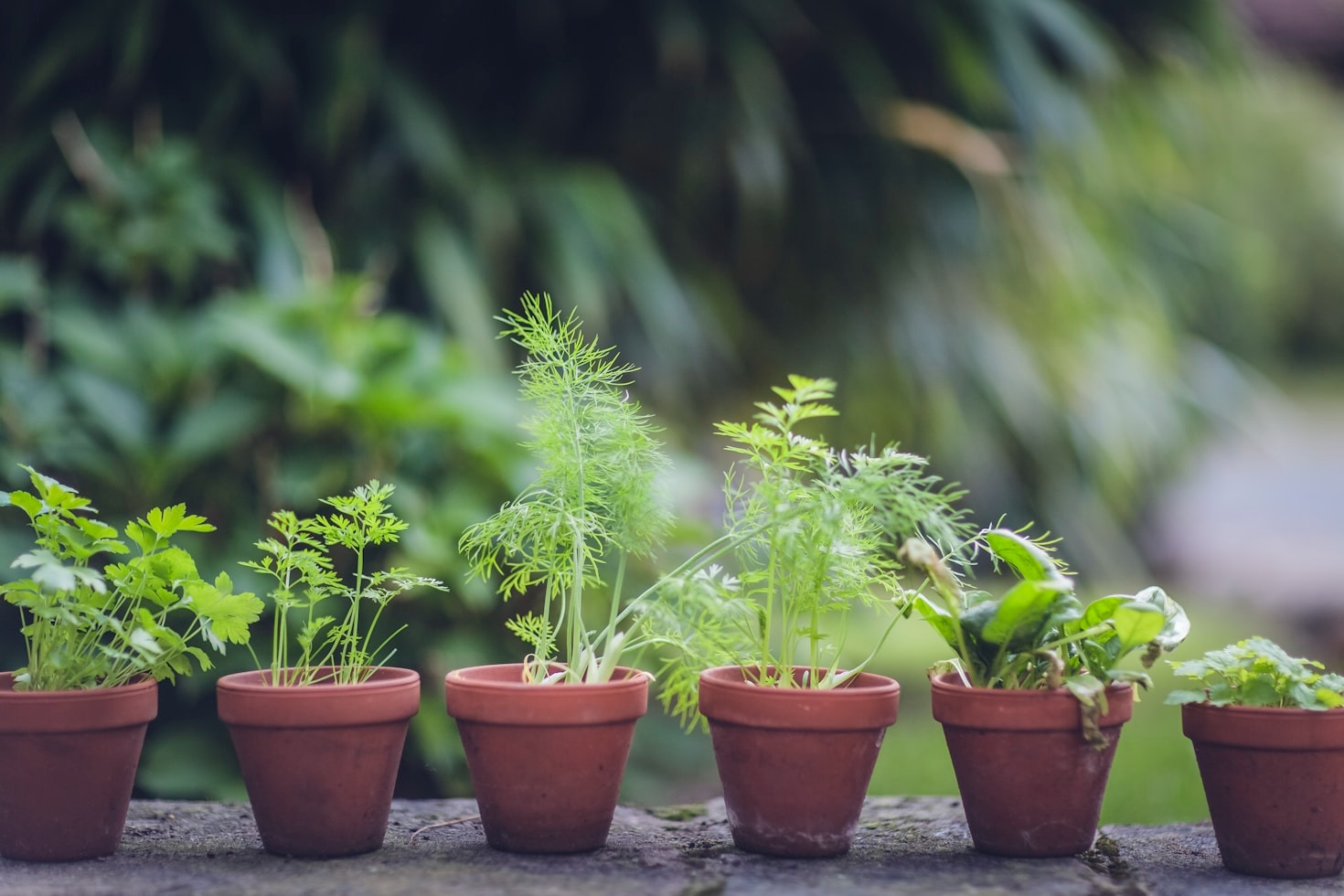
Apartment gardening can be daunting. Most advice assumes outdoor space and ample sunlight—luxuries many apartment dwellers lack.
The good news is that growing plants in a small space is possible. Apartment gardening is about working within real constraints and choosing setups that make sense indoors.
This guide will show you what actually works in apartments, what doesn’t, and how you can start simply — so you can avoid overwhelm and succeed quickly. Let’s define what apartment gardening really means before diving in.
What “Apartment Gardening” Really Means
Apartment gardening usually comes with limits that don’t apply to traditional gardening. These often include limited sunlight, restricted space, and a lower tolerance for mess or maintenance.
In practical terms, apartment gardening usually means:
Choosing plants that tolerate inconsistency
Growing in containers instead of garden beds
Working with available light rather than ideal light
Using vertical or compact setups instead of spreading out
Sometimes, the simplest moments hold the deepest wisdom. Let your thoughts settle, and clarity will find you. Use this quote space to share something inspirational or reflective, perfectly aligned with the theme of your article.
The Three Things That Matter Most
Before choosing plants or buying equipment, it helps to understand the three factors that matter most.
Light
Light is usually the biggest limiting factor. Many plants fail indoors not because they’re difficult, but because they don’t get enough consistent light.
Space
Horizontal space is limited in most apartments, which is why vertical shelving, window placement, or compact containers often work better than spreading out.
Maintenance Tolerance
Be honest about how much time and attention you want to give. Low-stress setups tend to succeed more often than ambitious ones.
Getting these three things right matters more than picking the perfect plant. With these basics in mind, here’s what tends to work best for beginners.


What Actually Works for Beginners
For most apartment beginners, simpler setups work better than complex ones.
Good starting points often include:
- Herbs rather than full vegetables
- Leafy plants instead of fruiting plants
- Containers that drain well
- A small number of plants, cared for consistently.
Starting small is how most successful apartment gardens begin. Next, consider what approaches can lead to frustration so you know what to avoid.
What Usually Doesn’t Work (and Why)
Some approaches sound appealing but tend to cause frustration indoors.
Common issues include:
- Trying to grow too many plants at once
- Assuming indirect light is enough for sun-loving plants
- Overwatering due to poor drainage
- Buying kits without understanding placement
Many apartment gardening problems stem from mismatched expectations, not from lack of effort. Adjusting your expectations is a major key to success. So, how can you actually get started with confidence?
A Realistic Way to Start
You don’t need a complicated system to begin apartment gardening. One or two plants in a well-lit area are enough to learn what works in your space.
As you gain confidence, you can expand slowly and adjust based on experience rather than guesswork.
Apartment gardening is best approached as a gradual, evolving process. To close, here’s what to keep in mind as you move forward.
Closing
Growing plants in an apartment is about adapting to your environment. The most important takeaway: tailor your approach to your actual constraints for a more manageable and enjoyable experience.
Set realistic expectations and keep things simple. That’s the proven path to rewarding apartment gardening and your best chance of success.
Leave a Reply