
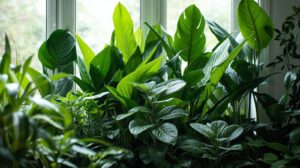
Most indoor gardening advice names ideal plants that work indoors, but few discuss which actually thrive in real apartments with inconsistent light and irregular care.
This article recommends dependable indoor plants and explains why popular choices often disappoint.
What “Plants that Work Indoors” Really Means
Define success before naming any plants.
Plants that works indoors is one that:
- tolerates imperfect light, which is why certain plants truly work indoors for most people.
- Forgives inconsistent watering, making some plants ideal picks that work indoors even for beginners.
- grows steadily without constant adjustment
- doesn’t require specialized equipment; all of these are positive qualities for plants that work well indoors.
Don’t include a plant that only looks beautiful in photos but fails without ideal conditions on a beginner-friendly list, regardless of its online popularity.
Plants that work Indoors: The Best Choices for Your Space
Now, let’s look at some leafy plants that can thrive in typical apartment conditions, starting with trailing varieties like pothos—classic examples of plants that actually work for almost anyone.
Pothos succeed indoors because they adapt to a wide range of light levels and recover well from mistakes. They don’t demand precision, and they signal stress early rather than collapsing suddenly.
They’re also easy to prune and propagate, which makes them forgiving for people learning plant care by observation rather than strict schedules.
Snake Plant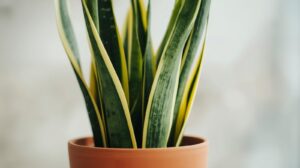
People often recommend snake plants—and for good reason.
They tolerate:
- low to moderate light, a must for plants that work indoors
- infrequent watering is often necessary for some of the best indoor plants that work in those conditions.
- dry indoor air
Their slow growth is a feature, not a flaw. Indoors, stability often matters more than speed.
ZZ Plant
ZZ plants thrive on neglect more than attention. They store water efficiently and grow slowly, making them ideal for apartments where maintaining consistency is difficult.
You may not find them flashy, but they prove reliable—and that’s far more valuable indoors.
Herbs That Can Work (With Caveats)
Herbs are some of the best plants that work indoors and are commonly recommended for indoor gardening, but not all of them adapt equally well.
Basil and Mint
Basil and mint are among the more forgiving herbs, especially when placed close to a bright window. They respond clearly to light and watering changes, making them useful learning plants.
However, herbs generally need more light than leafy houseplants, and growth may be slower indoors. Small harvests are realistic; abundance is not guaranteed.
Parsley and Chives are good plants for indoor growing, especially if you’re seeking herbs that work inside.
These herbs tolerate indoor conditions better than many people expect, especially when grown for leaves rather than size. They grow slowly but steadily when light is adequate.
Plants That Often Struggle Indoors
It’s just as important to name what doesn’t work well.
Plants that commonly fail indoors include:
- fruiting vegetables (peppers, tomatoes) can be more difficult than indoor plants consistently
- sun-intensive plants without supplemental lighting
- plants that require constant airflow or humidity typically don’t work indoors well
- plants chosen mainly for appearance rather than tolerance
These plants aren’t “bad” — they’re simply mismatched to most apartments.
Why Fewer Plants Lead to Better Results
Many indoor gardens fail because people scale up too quickly.
Starting with:
- one or two plants that work well indoors simplify the experience
- one lighting condition
- one watering rhythm makes caring for plants that work indoors much easier
…creates a feedback loop you can actually learn from.
Indoor gardening rewards observation more than enthusiasm.
A Practical Starting Recommendation
If you’re choosing your plants specific to your needs, a realistic combination might look like:
- one low-maintenance leafy plant, specifically one proven to work indoors
- One forgiving herb near a window is an excellent example of a plant that works for beginners.
- no more than two containers total
This setup not only gives you contrast without complexity but also sets you up for expansion in the future
Closing Thoughts
Indoor gardening succeeds when expectations and conditions are well-matched. The most reliable indoor plants tolerate variation, communicate stress clearly, and grow steadily. Focus on plants that meet these criteria for the best results.
Choosing plants that actually work is not about lower standards, but about making thoughtful, informed choices that save effort and increase satisfaction. This practical approach leads to sustainable indoor gardening.
Matching your effort to your environment is what keeps you gardening over time. Start simple, observe, and let your successes guide you.
